Turning Unpaid Invoices Into Instant Cash: The Business Owner’s Guide to Invoice Financing

Anúncios
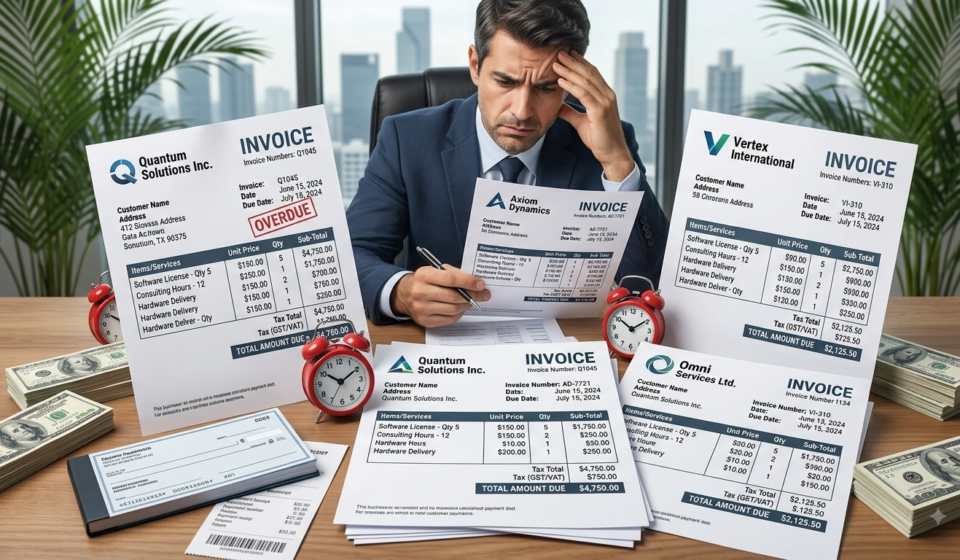
Every business owner knows the frustrating gap between delivering great work and actually getting paid for it. You’ve completed the project, shipped the goods, or provided the service — yet the invoice sits unpaid for 30, 60, or even 90 days. Meanwhile, rent is due, employees need to be paid, and suppliers expect their money on time. This is one of the most common and stressful challenges in business, and it’s exactly the problem that invoice financing was designed to solve.
Invoice financing has become an increasingly popular financial tool for businesses of all sizes, offering a way to unlock cash that is already owed to them rather than waiting weeks or months for customers to pay. This guide explores what invoice financing is, how it works, its benefits and drawbacks, and answers the most common questions business owners have about it.
Anúncios
What Is Invoice Financing?
Invoice financing is a method of borrowing money against the value of outstanding customer invoices. Instead of waiting for customers to pay on their usual schedule, a business can receive a significant portion of the invoice value upfront from a lender or financing company, and the remaining balance (minus fees) once the customer pays in full.
In essence, invoice financing allows a business to use its accounts receivable as collateral to access working capital more quickly. This is particularly valuable for businesses that operate on long payment cycles or work with clients who consistently take weeks or months to settle invoices.
Anúncios
It’s important to note that invoice financing is not the same as taking out a traditional loan. Rather than borrowing a lump sum to be repaid over time, the financing is directly tied to specific invoices and is typically repaid once those invoices are collected.
How Invoice Financing Works
While specific terms vary between providers, the general process typically follows these steps:
- Invoice Issued: A business delivers goods or services and issues an invoice to a customer with agreed-upon payment terms (e.g., net-30 or net-60).
- Submit Invoice to Financing Company: The business submits the unpaid invoice to an invoice financing provider.
- Advance Payment: The financing company advances a percentage of the invoice’s value — often between 70% and 90% — within a day or two.
- Customer Pays Invoice: The customer pays the invoice according to the original terms, either directly to the business or, in some arrangements, directly to the financing company.
- Remaining Balance Paid: Once the invoice is paid in full, the financing company releases the remaining balance to the business, minus a fee for the service.
The fee structure typically depends on factors such as the creditworthiness of the customer, the size of the invoice, and how long it takes for the invoice to be paid.
Types of Invoice Financing
There are a few different structures under the broader umbrella of invoice financing, each with its own nuances:
Invoice Factoring
With invoice factoring, a business sells its unpaid invoices to a third-party company (a “factor”) at a discount. The factor takes over responsibility for collecting payment from the customer. This option often works well for businesses that want to offload the administrative burden of collections.
Invoice Discounting
With invoice discounting, the business retains control over collecting payments from customers. The financing company simply advances funds against the invoices, and the business is responsible for collecting and repaying the advance once the customer pays. This option tends to be more discreet, as customers may not even be aware that financing is involved.
Selective Invoice Financing
This allows businesses to choose specific invoices to finance rather than committing an entire accounts receivable ledger. This flexibility can be useful for businesses that only occasionally need extra cash flow support.
Spot Factoring
Similar to selective financing, spot factoring involves financing a single invoice on an as-needed basis rather than establishing an ongoing agreement.
Why Businesses Use Invoice Financing
Improved Cash Flow
The most obvious benefit is immediate access to cash that would otherwise be tied up for weeks or months, allowing businesses to cover operational expenses without disruption.
No Need for Additional Collateral
Because the invoices themselves serve as collateral, businesses may not need to pledge other assets, such as property or equipment, to access financing.
Faster Access to Funds Than Traditional Loans
Invoice financing arrangements can often be set up and funded much faster than conventional bank loans, which is especially helpful for time-sensitive cash flow needs.
Growth Support Without Giving Up Equity
Unlike raising capital through investors, invoice financing doesn’t require giving up ownership stakes in the business.
Flexibility
Because financing is tied to specific invoices, businesses can use it selectively, scaling financing needs up or down depending on cash flow demands.
Potential Drawbacks of Invoice Financing
While invoice financing offers real benefits, it’s not without downsides:
Cost
Fees for invoice financing can be higher than traditional loan interest rates, especially if invoices take a long time to be paid.
Customer Relationships
With invoice factoring, since the financing company may contact customers directly for payment, this could affect the business’s relationship with its clients if not handled professionally.
Dependence on Customer Creditworthiness
Financing companies often evaluate the creditworthiness of the business’s customers, not just the business itself. If customers have poor payment histories, financing may be harder to secure or more expensive.
Not a Long-Term Solution for Underlying Cash Flow Issues
If a business relies heavily on invoice financing to cover fundamental profitability or cash flow problems, it may only be delaying a deeper financial issue rather than solving it.
Who Benefits Most From Invoice Financing?
Invoice financing tends to be particularly useful for:
- Staffing agencies, which often have to pay employees weekly while waiting longer for client payments.
- Manufacturers and wholesalers, who may deal with large orders and extended payment terms.
- Freight and logistics companies, where cash flow gaps between service delivery and payment are common.
- Small and medium-sized businesses (SMBs) that may not yet qualify for traditional bank financing but have strong, creditworthy customers.
- Seasonal businesses, which may experience uneven cash flow throughout the year despite consistent invoicing.
How to Choose an Invoice Financing Provider
When evaluating invoice financing options, business owners should consider:
- Advance rate: What percentage of the invoice value is paid upfront?
- Fee structure: Are fees flat, tiered, or based on how long the invoice remains unpaid?
- Recourse vs. non-recourse financing: In recourse financing, the business is responsible if the customer doesn’t pay. In non-recourse financing, the financing company assumes more of that risk, usually at a higher cost.
- Contract flexibility: Is there a long-term commitment required, or can invoices be financed selectively?
- Reputation and customer service: Especially important with factoring arrangements, where the provider may interact directly with your customers.
Steps to Get Started With Invoice Financing
- Assess Cash Flow Needs: Determine how much capital is needed and how quickly.
- Review Outstanding Invoices: Identify which invoices are eligible and from customers with solid payment histories.
- Research Providers: Compare advance rates, fees, and contract terms across multiple financing companies.
- Submit an Application: Most providers will require basic business financial information and details about the invoices being financed.
- Receive Funding: Once approved, funds are typically disbursed quickly, often within 24 to 48 hours.
- Manage Repayment: Ensure customers pay according to terms, and monitor the financing relationship to ensure it aligns with ongoing business needs.
Frequently Asked Questions (FAQs)
1. Is invoice financing the same as a business loan? No. Invoice financing is tied specifically to outstanding invoices rather than being a lump-sum loan repaid over a fixed schedule. It is generally considered a form of asset-based financing.
2. How quickly can I receive funds through invoice financing? Many providers can advance funds within one to two business days after approving an invoice, making it a faster option compared to traditional loans.
3. Will my customers know I’m using invoice financing? It depends on the type of arrangement. With invoice factoring, customers may be aware since payments are often redirected to the financing company. With invoice discounting, the arrangement is typically more discreet.
4. What percentage of an invoice can I receive upfront? Advance rates commonly range between 70% and 90% of the invoice value, with the remaining balance paid after the customer settles the invoice, minus fees.
5. Does my business need strong credit to qualify? Invoice financing providers often place more weight on the creditworthiness of your customers than your own business credit profile, since the invoices themselves serve as the primary security.
6. What happens if my customer doesn’t pay the invoice? This depends on whether the arrangement is recourse or non-recourse. With recourse financing, the business is responsible for repaying the advance if the customer fails to pay. With non-recourse financing, the financing company generally assumes more of this risk.
7. Is invoice financing suitable for small businesses? Yes. In fact, it is particularly popular among small and medium-sized businesses that may not yet qualify for traditional financing but have reliable, creditworthy customers.
8. How much does invoice financing typically cost? Costs vary widely depending on the provider, the size of the invoice, and how long it takes for the customer to pay. Fees are often structured as a percentage of the invoice value, sometimes increasing the longer the invoice remains outstanding.
9. Can I choose which invoices to finance? With selective invoice financing or spot factoring, yes — businesses can choose specific invoices rather than financing their entire accounts receivable ledger.
10. Is invoice financing a good long-term strategy? It can be a useful ongoing tool for managing cash flow, especially for businesses with long payment cycles. However, it’s generally best used strategically rather than as a substitute for addressing deeper cash flow or profitability issues.
Conclusion
Invoice financing offers a practical solution to one of the most common challenges businesses face: the gap between delivering value and getting paid for it. By unlocking cash tied up in unpaid invoices, businesses can maintain smoother operations, seize growth opportunities, and avoid the stress of cash flow shortages — all without taking on traditional debt or giving up equity.
That said, invoice financing isn’t a one-size-fits-all solution. Business owners should carefully weigh the costs, evaluate different types of financing arrangements, and choose providers that align with their operational needs and customer relationships. Used strategically, invoice financing can be a powerful tool for maintaining stability and fueling growth — turning invoices sitting in li